 |
| Via Tim Zimmermann. |
Tampilkan postingan dengan label photography. Tampilkan semua postingan
Tampilkan postingan dengan label photography. Tampilkan semua postingan
Jumat, 02 Desember 2011

Jumat, 18 November 2011
TIDEPOOL CURIOSITIES
 |
| Keyhole limpet. Credit: skome via Flickr. |
 |
| Bubbles left at tidepools after waves retreat. Credit: Mila Zinkova via Wikimedia Commons. |
 |
| Sparring sea anemones, white tentacles are fighting tentacles. Credit: Mila Zinkova via Wikimedia Commons. |
 |
| The curio cabinet of a tidepool, with starfish, anemones, sea urchins, marine algae, barnacles, and hermit crabs. Credit: summersumz via Flickr. |
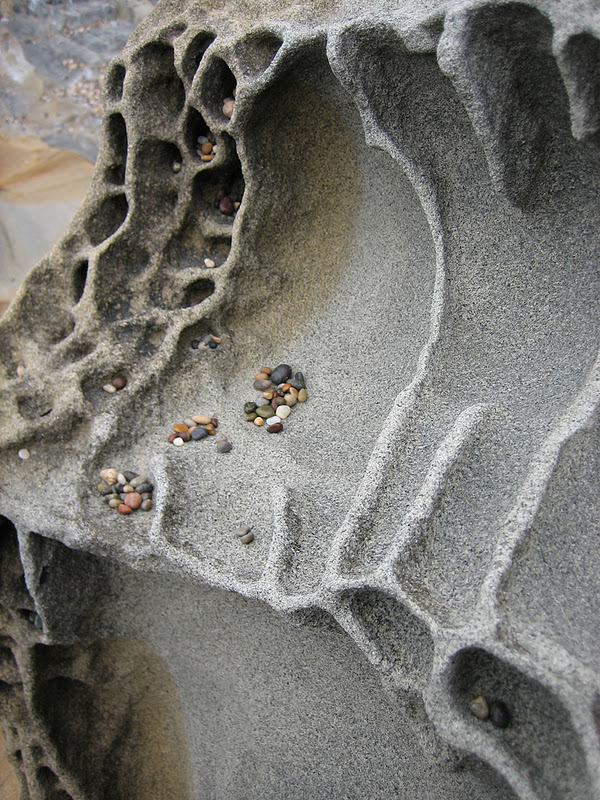 |
| Tidepool architecture. Credit: 4johnny5 via Flickr. |
 |
| Artificial tidepool. Credit: Johnny Grim via Flickr. |
 |
| Natural tidepool. Credit: bikehikedive (nugun) via Flickr. |
 |
| Sea star growing new legs. Credit: Mila Zinkova via Wikimedia Commons. |
 |
| Sea anemone, Anthopleura sola, eating a by-the-wind-sailor, Velella velella, carried to shore on spring winds. Credit: Mila Zinkova via Wikimedia Commons. |
 |
| Octopus in tidepool. Credit: Mila Zinkova via Wikimedia Commons. |
 |
| Microcosmos. Credit: Avenue via Wikimedia Commons. |
 |
| Highrises. Credit:Glen Bowman via Wikimedia Commons. |
 |
| Sea star eating a mussel. Credit: Mila Zinkova via Wikimedia Commons. |
 |
| Brooding sea anemone, Epiactis prolifera. Numerous young in different stages of development are visible on the pedal disk. The brooding anemone is a colonial hermaphrodite that fertilizes and incubates its eggs in its own digestive cavity. After hatching, the larvae swim out of the mouth and migrate to the disk, installing themselves on the outside until they're big enough to move on and feed themselves. Credit: Mila Zinkova via Wikimedia Commons. |
 |
| Nudibranch, Acanthodoris lutea, laying eggs in tidepool. Credit: Mila Zinkova via Wikimedia Commons. |
 |
| Psychedelic nature: flame-lined chiton. Credit: Mila Zinkova via Wikimedia Commons. |
 |
| Ocean vegetables. Credit: bastasia via Flickr. |
 |
| Curiosities observed. Credit: nashworld via Flickr. |
Jumat, 04 November 2011
OCCUPY EAGLE!
 |
| Herring gull mobbing a white-tailed eagle. Credit: Markus Varesvuo/naturepl.com. |
The situation: The breeding season, a mad-as-hell gull defending eggs or chicks, a gigantic maurading scavenger.
Jumat, 07 Oktober 2011
BEAUTIFUL BRAINS


Photos, top to bottom:
Colpophyllia natans. Credit: Nhobgood Nick Hobgood via Wikimedia Commons.
Diploria cerebriformis. Credit: Jaro Nemcok via Wikimedia Commons.
Diplora labyrinthiformis. Credit: Nhobgood Nick Hobgood via Wikimedia Commons.
Diploria labyrinthiformis. Credit: Jan Derk via Wikimedia Commons.
Trachyphyllia. Credit: RevolverOcelot via Wikimedia Commons.
Favites favites. Credit: RevolverOcelot via Wikimedia Commons.
Unknown. Photo courtesy of MarineBio.
Ctenella chagius. Credit: Micaelalah via Wikimedia Commons.
Senin, 03 Oktober 2011
OCEAN OBSERVED
 |
| Compound eye of an Antarctic krill. Credit: Gerd Alberti and Uwe Kils, via Wikimedia Commons. |
 |
| Scales on a 3-day old zebrafish. Credit: Carla Stehr, NOAA. |
 |
| Coccolithophore, Gephyrocapsa oceanica. Credit: NEON_ja via Wikimeda Commons. |
 |
| Diatoms. Credit: Carla Stehr, NOAA. |
 | |
|
 |
| Suckers on a newly hatched east Pacific red octopus, Octopus rubescens. Credit: Carla Stehr, NOAA. |
 |
| Dinoflagellate. Credit: Carla Stehr, NOAA. |
All these images were taken with a scanning electron microscope. If you're wondering how that works, this video explains.


Langganan:
Postingan (Atom)